Who was Martin Buber
Martin (Mordechai) Buber was born in Vienna to an Orthodox Jewish family. From the age of three to fourteen, Buber was raised by his grandfather in Lemberg (now Lviv in Ukraine). At home, Buber spoke Yiddish and German.
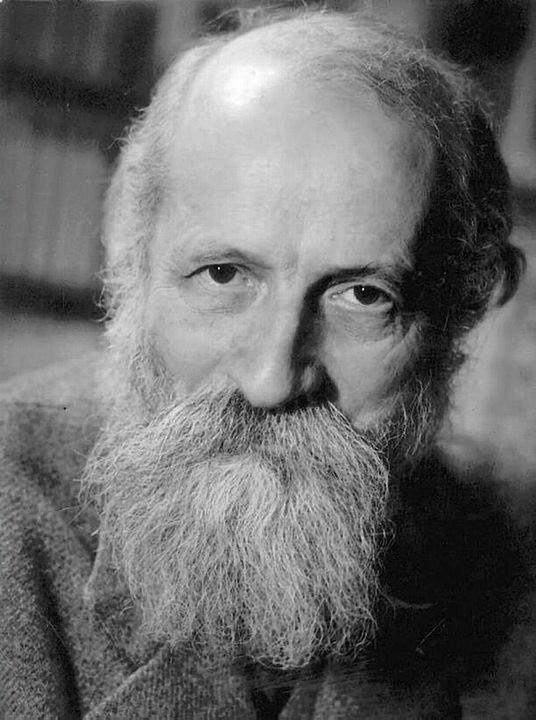
A personal religious crisis led him to break with Jewish religious customs. He began reading Kant, Kierkegaard, and Nietzsche. The latter two, in particular, inspired him to pursue studies in philosophy. In 1896, Buber went to study in Vienna (philosophy, art history, German studies, philology).
In 1898, he joined the Zionist movement, participating in congresses and organizational work.
Buber, initially, supported and celebrated the Great War as a "world historical mission" for Germany along with Jewish intellectuals to civilize the Near East.
In 1930, Buber became an honorary professor at the University of Frankfurt am Main, but resigned from his professorship in protest immediately after Adolf Hitler came to power in 1933. He then founded the Central Office for Jewish Adult Education, which became an increasingly important body as the German government forbade Jews from public education. In 1938, Buber left Germany and settled in Jerusalem, Mandatory Palestine, receiving a professorship at Hebrew University and lecturing in anthropology and introductory sociology. After the creation of the state of Israel in 1948, Buber became the best known Israeli philosopher.
(From Wikipedia)